

Are Dash Cams Legal? A State-by-State Guide
If you are wondering whether dash cams are legal, the short answer is yes. Dash cameras are generally legal to own and use throughout the United States. The more complicated questions involve where you mount the camera, whether it obstructs your view, and whether it records audio inside the vehicle.
That distinction matters because there is no single nationwide dash cam law that tells every driver exactly where to place a camera. States have their own windshield, equipment, privacy, and recording laws. A placement that is acceptable in one state may be restricted in another.
For example, California has specific statutory exceptions for certain windshield-mounted video event recorders, while Washington law focuses heavily on keeping the driver’s view unobstructed and requires consent from all participants before recording private conversations.
This guide explains the key dash cam laws by state, what to know about legal placement, and how to set up a dash camera without unnecessarily creating a legal or visibility problem.
Are Dash Cams Legal in the United States?
Yes. There is no general U.S. ban on personal dash cameras. The camera itself is usually not the issue. The legal questions generally arise from installation and recording practices.
A dash camera records video of the road, traffic, vehicles, signs, and other things visible from a public roadway. Separate laws can apply when the device records conversations or when the camera is installed somewhere that obstructs the driver’s view.
A useful way to think about dash cam legality is to divide it into three questions:
- Can I own and use a dash cam? Generally, yes.
- Can I mount it wherever I want? Not necessarily. Windshield obstruction laws vary by state.
- Can I record audio? This depends on state privacy and consent laws.
The third issue is particularly important because many dash cameras have built-in microphones that can record cabin audio automatically.
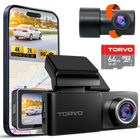
If you are looking for a camera with front and rear recording, the TORVO TD3 Dash Cam combines front and rear video with features including built-in GPS and Wi-Fi, while its compact design can be positioned with visibility in mind.
What Makes a Dash Cam Legal or Illegal?
The legality of a dash camera usually depends less on the fact that you have a camera and more on how you use it.
1. The camera cannot unnecessarily obstruct your view
Most states have some form of law restricting objects, materials, or devices that obstruct or reduce a driver’s clear view through the windshield.
Texas, for example, prohibits operating a vehicle when an object attached to the windshield or windows obstructs or reduces the operator’s clear view.
Washington similarly prohibits driving with nontransparent material on the windshield or windows when it obstructs the driver’s clear view.
This means a dash cam positioned directly in the middle of your primary field of vision can create a problem even when the camera itself is completely legal.
2. Some states have specific windshield placement rules
A few states provide more detailed rules about devices or materials that can be placed on a windshield.
California is a good example. Its vehicle code generally prohibits objects or materials on the windshield that obstruct or reduce the driver’s clear view, but provides specific exceptions for certain video event recorders.
The practical lesson is simple: do not assume that a small camera is automatically legal just because it is small. Check your state’s rules before installing a windshield-mounted device.
3. Audio recording can be treated differently from video
Video of the road is one legal issue. Recording private conversations is another.
States have different consent standards for recording conversations. Washington law, for example, generally requires consent from all participants in a private conversation before it is recorded.
Illinois law similarly regulates the surreptitious recording of private conversations and generally requires consent of the other parties when a person is participating in the conversation.
For that reason, drivers who regularly cross state lines may choose to disable the dash cam’s microphone unless they have confirmed that their recording practices comply with the applicable law.
Dash Cam Laws by State
The following table provides a practical overview of the 50 states. The descriptions are intended as a reader-friendly guide to the general placement issue, not as a replacement for the current statute or legal advice.
The most common rule is straightforward: a dash cam should not block or materially reduce the driver’s clear view. Some states have more specific restrictions or permitted areas.
| State | Dash cam placement takeaway |
|---|---|
| Alabama | Dash cams are generally allowed, but windshield objects should not obstruct the driver’s view. |
| Alaska | Generally permitted when the camera does not obstruct or impair the driver’s view. |
| Arizona | Windshield-mounted devices are subject to specific size and location restrictions; check the permitted zones before mounting. |
| Arkansas | Generally allowed when the camera does not interfere with clear visibility. |
| California | Allowed, with specific statutory placement zones for qualifying video event recorders. |
| Colorado | Keep the camera positioned so it does not obstruct or reduce the driver’s clear view. |
| Connecticut | Avoid windshield placement that could interfere with visibility; dashboard mounting is a conservative option. |
| Delaware | Avoid placing nontransparent objects on the windshield where they can obstruct the driver’s view. |
| Florida | Windshield restrictions apply to objects and coverings that interfere with visibility. |
| Georgia | Generally permitted when the camera does not obstruct the driver’s view. |
| Hawaii | Certain windshield areas have specific device-placement limitations; check dimensions before mounting. |
| Idaho | Dash cams are generally permitted when they do not interfere with clear visibility. |
| Illinois | Dash cams are legal, but windshield placement must comply with the state’s visibility and obstruction requirements. |
| Indiana | Small-device exceptions exist in certain windshield areas; otherwise, avoid obstructing the driver’s view. |
| Iowa | Generally allowed when installed so the windshield and driver’s view remain clear. |
| Kansas | Allowed when the device does not substantially obstruct the driver’s view. |
| Kentucky | Generally permitted when the camera does not interfere with the driver’s view. |
| Louisiana | Windshield-mounted objects cannot obstruct or reduce the driver’s clear view. |
| Maine | Generally permitted when the camera does not interfere with visibility; separate recording and privacy rules may apply. |
| Maryland | Dash cams are generally allowed, but windshield placement and visibility restrictions should be checked carefully. |
| Massachusetts | Avoid windshield placement that obstructs the driver’s view; dashboard mounting is generally the more conservative approach. |
| Michigan | Dash cams are permitted when they do not interfere with the driver’s clear vision. |
| Minnesota | Specific provisions allow certain driver feedback and safety monitoring equipment in defined windshield areas. |
| Mississippi | Generally allowed when the camera does not obstruct the driver’s view. |
| Missouri | Generally permitted when installed without impairing visibility. |
| Montana | Keep the windshield clear enough to maintain the driver’s unobstructed view. |
| Nebraska | Dash cams are generally allowed when they do not interfere with visibility. |
| Nevada | Windshield-mounted objects cannot obstruct the driver’s clear view. |
| New Hampshire | Windshield restrictions apply to nontransparent materials and devices; dashboard mounting can reduce compliance concerns. |
| New Jersey | Avoid nontransparent objects on the windshield or front side windows that obstruct the driver’s view. |
| New Mexico | Dash cams are generally permitted when they do not interfere with driving visibility. |
| New York | Dash cams are legal, but general windshield obstruction rules still apply. |
| North Carolina | Generally permitted when the camera does not interfere with clear windshield visibility. |
| North Dakota | Keep the camera from obstructing the driver’s view through the windshield. |
| Ohio | Dash cams are generally allowed, but windshield placement must not obstruct the driver’s view. |
| Oklahoma | Generally permitted when the camera does not materially obstruct visibility. |
| Oregon | Dash cams are legal, but windshield and visibility restrictions apply. Audio recording has additional consent considerations. |
| Pennsylvania | Dash cams are generally permitted, but windshield placement and audio recording require particular care. |
| Rhode Island | Generally allowed when the camera does not interfere with the driver’s view. |
| South Carolina | Generally permitted when the camera does not obstruct visibility. |
| South Dakota | Dash cams are generally allowed when installed without blocking the driver’s view. |
| Tennessee | Keep the camera from obstructing the driver’s view through the windshield. |
| Texas | Legal when installed without an object attached to the windshield or windows obstructing or reducing the driver’s clear view. |
| Utah | Specific windshield placement rules can apply to devices, so check the permitted areas before mounting. |
| Vermont | Windshield rules specify limited areas where certain nontransparent material may be placed. |
| Virginia | Dash cams are permitted when they do not interfere with the driver’s clear view. |
| Washington | Dash cams are generally permitted, but windshield obstruction rules apply and private audio recordings require special attention. |
| West Virginia | Generally allowed when the camera does not obstruct the driver’s view. |
| Wisconsin | Dash cams are generally permitted, but placement should not interfere with visibility. |
| Wyoming | Generally allowed when installed so that the driver’s clear view is maintained. |
This state-by-state summary reflects the practical differences described in current legal and automotive references, but state statutes can change and individual circumstances can affect how a rule applies.
What Is the Legal Placement of a Dash Cam?
The safest installation principle is consistent across many jurisdictions: put the camera where it captures the road without interfering with your view.
A common installation approach is to position the camera high on the windshield, close to or behind the rearview mirror, provided that location is permitted in your state and the camera does not obstruct your view.
A dashboard mount can be another option, especially in states where windshield-mounted objects are subject to stricter restrictions.
Before securing the camera, sit in the normal driving position and check:
- Can you see the entire road clearly?
- Does the camera block traffic lights, signs, pedestrians, or vehicles?
- Does the mount interfere with the rearview mirror?
- Is the camera within a state-approved windshield area, if your state specifies one?
- Are cables routed so they do not interfere with steering, pedals, airbags, or other controls?
California illustrates why placement deserves special attention. Its law identifies specific areas where qualifying video event recorders can be installed, including limited areas near the lower corners and the top center of the windshield.
Can You Mount a Dash Cam Behind the Rearview Mirror?
Often, this is a practical location because it keeps the camera out of the driver’s primary sightline. However, “behind the rearview mirror” should not be treated as a universal legal exemption.
The actual rules depend on the state and the vehicle.
A good installation should leave enough room for the rearview mirror to function normally and should not place the camera where it blocks the driver’s view.
For example, Washington’s law focuses on whether an object obstructs the driver’s clear view, rather than simply giving every windshield-mounted device a blanket exemption.

Can Dash Cams Record Audio?
This is one of the most overlooked parts of dash cam laws.
Many cameras record video and audio simultaneously. While recording what is visible on a public road is generally treated differently from recording a private conversation, state wiretap and eavesdropping laws can apply to cabin audio.
Several states have particularly important consent requirements.
States with stricter consent rules
Drivers should pay particular attention to audio recording in states including:
- California
- Connecticut
- Florida
- Illinois
- Maryland
- Massachusetts
- Montana
- Nevada
- New Hampshire
- Oregon
- Pennsylvania
- Washington
The exact rules differ by state and can depend on whether a conversation is considered private, whether the recording is surreptitious, and how consent is given.
For example, Washington law generally requires consent from all participants in a private conversation, while Oregon law requires participants in a conversation to be specifically informed that the conversation is being recorded, subject to statutory exceptions.
Illinois law also addresses recording private conversations and provides specific rules around consent and surreptitious recording.
The safest practical approach when you are uncertain is to turn off the microphone or clearly notify passengers that audio is being recorded, subject to the law applicable to your situation.
Is It Legal to Record Police Officers With a Dash Cam?
Recording activity taking place in public is generally subject to different privacy considerations than recording a private conversation inside a home or other private location.
Illinois law, for example, expressly states that the eavesdropping statute does not prohibit a private individual from recording a law enforcement officer performing duties in a public place or circumstances where the officer has no reasonable expectation of privacy.
That does not mean every interaction can be recorded without restrictions in every circumstance. Do not interfere with an officer’s duties, enter restricted areas, or use the camera in a way that creates a separate safety or obstruction issue.
Can Dash Cam Footage Be Used as Evidence?
Dash cam footage can potentially provide evidence of what happened during a traffic incident, collision, or other event. Its usefulness depends on the circumstances, authenticity, relevance, and applicable evidentiary rules.
That is one reason continuous recording can be valuable. Instead of relying only on memory after a collision, the driver may have a timestamped visual record of the surrounding traffic and road conditions.
If you are involved in an accident, preserve the original recording rather than editing the only copy. Keep the original memory card or file whenever possible and make a backup.
Also remember that a recording does not automatically establish every fact in a dispute. The footage still needs to be interpreted in context.
Are Dash Cams Illegal Because They Are Mounted on the Windshield?
Not generally. The confusion comes from windshield obstruction laws.
A state may allow dash cameras while still restricting where and how they can be mounted.
For example, Texas prohibits objects attached to the windshield or windows when they obstruct or reduce the operator’s clear view.
Florida similarly restricts objects and materials on the windshield that interfere with the driver’s required field of vision.
New York also prohibits objects placed in or upon a vehicle in a manner that obstructs or interferes with the operator’s view through the windshield.
So the better question is not simply “Are windshield dash cams legal?” It is “Is my particular installation legal in the state where I am driving?”

How to Install a Dash Cam Safely and Legally
Before you start driving with a new camera, run through this checklist.
Step 1: Check your state’s windshield rules
Look at your state’s vehicle or transportation code, particularly provisions dealing with windshields, obstructions, devices, and driver visibility.
Step 2: Choose a nonobstructive location
If you are unsure about windshield placement, a dashboard location that does not interfere with your view can be a conservative alternative.
Step 3: Check the camera’s field of view
A wide-angle camera should capture the road without requiring you to position the device directly in front of your eyes.
Step 4: Route the cable safely
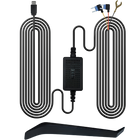
Keep the power cable away from pedals, steering components, airbags, and areas where it could become loose or interfere with driving.
Step 5: Review the microphone settings
If your dash cam records cabin audio, check your state’s recording-consent rules. When appropriate, disable audio recording or notify passengers.
Step 6: Test the recording before driving
Confirm that the camera is recording correctly, the lens is clean, the date and time are accurate, and the view includes the roadway without excessive dashboard coverage.
The TORVO TD3 Dash Cam is designed as a compact dash camera with a 3.2-inch IPS display, 170-degree viewing angle, built-in GPS and Wi-Fi, and support for memory cards up to 256GB.
Frequently Asked Questions About Dash Cam Laws
Are dash cams legal in all 50 states?
Dash cameras are generally legal to use throughout the United States. However, state laws differ regarding windshield placement, driver visibility, and audio recording. The camera itself is usually not prohibited, but an improper installation or recording practice can create a legal issue.
Are dashcams illegal on the windshield?
No blanket rule makes windshield-mounted dash cams illegal across the United States. Some states permit specific windshield locations, while others focus on whether the device obstructs the driver’s view. California, for example, has specific statutory provisions for video event recorders.
Where is the legal placement of a dash cam?
The answer depends on your state. A position near or behind the rearview mirror may keep a camera out of the driver’s primary sightline, but it is not automatically legal everywhere. Check your state’s specific windshield rules before installation.
Can a dash cam record conversations?
A dash cam can technically record conversations if its microphone is enabled, but whether doing so is lawful depends on state privacy and consent laws. Washington, Oregon, Illinois, and several other states have specific rules governing recorded conversations.
Should I turn off dash cam audio?
If you are unsure about the applicable recording-consent rules, disabling the microphone can reduce the legal complexity associated with recording private conversations. This is especially worth considering when traveling through states with stricter consent requirements.
Are dash cams legal in California?
Yes, but California has specific rules governing windshield placement of video event recorders. The vehicle code identifies limited areas where qualifying devices may be placed, so California drivers should check the statutory requirements rather than relying on a general “behind the mirror” rule.
Are dash cams legal in Texas?
Yes. Texas allows dash cameras, but its law prohibits objects attached to the windshield or windows when they obstruct or reduce the driver’s clear view.
Are dashcams legal in New York?
Yes. New York does not generally prohibit dash cameras, but vehicle equipment rules restrict objects that obstruct or interfere with the driver’s view through the windshield.
Can dash cam footage be used after an accident?
It can potentially be useful as evidence, depending on the circumstances and applicable evidentiary rules. Preserve the original recording and make a backup rather than editing or overwriting the original file.
Final Thoughts: Are Dash Cams Legal?
So, are dash cams legal? In general, yes. The important part is using one correctly.
Before installing a dashboard camera, think about three things: where the camera is mounted, whether it obstructs your view, and whether it records audio. Those are the areas where state laws can make a meaningful difference.
If you travel between states, it is worth checking the rules in each jurisdiction where you regularly drive. A camera that is perfectly acceptable as a product can still create a problem if it is mounted in a restricted location or records audio in circumstances covered by a consent law.
For most drivers, the safest approach is straightforward: choose a compact camera, position it so your view remains clear, route the wiring safely, and review your state’s current rules before turning on cabin audio.
For drivers comparing dash cam options, the TORVO TD3 Dash Cam provides a compact setup with front and rear recording, GPS, Wi-Fi, a wide-angle view, and parking-monitoring functionality.
Comments (0)
Leave a reply